1.The Problem
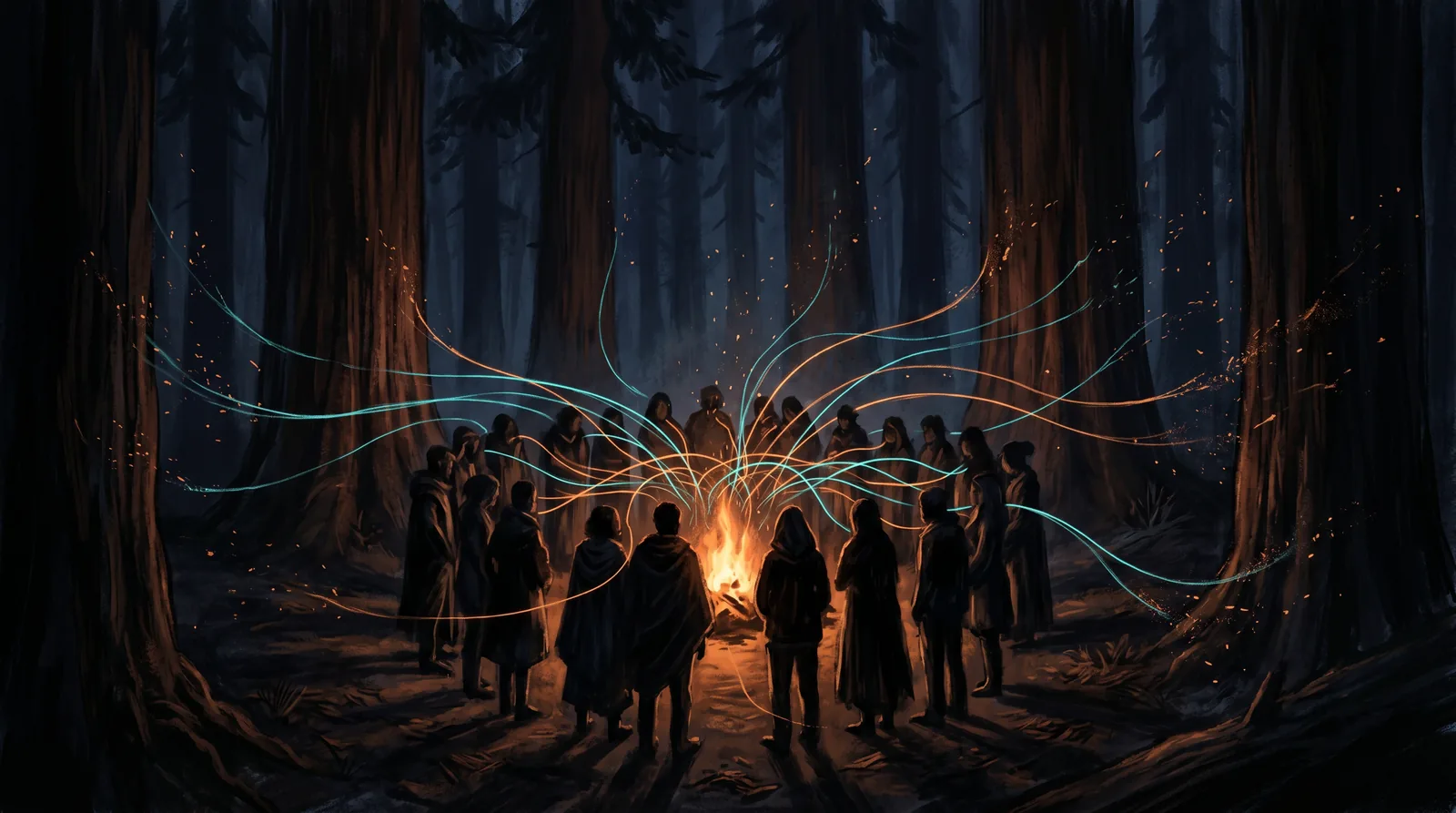
Every gathering that gets the regenerative movement's best people in one place — a conference, a boat, a redwood grove — produces the same paradox. The density of aligned, capable, resourced people in the room is extraordinary. The density of what actually gets built together afterward is not.
This isn't a commitment problem. It's a memory-and-bandwidth problem. A single attendee at a 30-camp gathering might have forty meaningful conversations in three days. No human retains forty new relationships with enough fidelity to know, six months later, "wait — didn't someone at that other camp need exactly what we're building now?" Business cards get lost. Follow-up emails don't happen. The connections that would have compounded into real collaboration evaporate into good memories.
We've already watched this happen at scale once — and already fixed it once. At the EarthOne Atlantic Crossing — ten days, 333 participants, philanthropists and grassroots stewards deliberately put in the same room — an early version of GaiaDex was built in days to solve exactly this. It worked: roughly 80 participants actively used it to claim profiles, post needs and offers, and get AI-matched with people who could help. It also showed its seams — trust concerns, a rushed MVP, no lasting infrastructure behind it. The lesson wasn't "the idea doesn't work." It was: build it properly this time, with the runway to do it right, and with a real way to measure whether it's working.
2.The Opportunity
Regen World — a gathering of the regenerative movement in the Redwoods of Northern California — has invited Common Grounding to host a camp. Roughly 30 aligned camps and projects will be there. That is, almost exactly, the EarthOne pattern again: a dense, high-trust gathering of people who would benefit enormously from a shared memory layer — arriving at the moment when GaiaDex has a validated design and a team that has since shipped comparable infrastructure in production multiple times.
There's a useful way to think about why this specific kind of gathering matters so much. In The Last Economy: A Guide to the Age of Intelligent Economics (2025), economist and AI researcher Emad Mostaque argues that large-scale change in complex systems — civilizations, economies, movements — rarely happens top-down or all at once. It nucleates: it starts at a single, small, protected point, and spreads outward as its success becomes undeniable and gets imitated. The Renaissance nucleated in Florence, not "Europe." The Scientific Revolution nucleated in the Royal Society, not "the universities." The digital revolution nucleated in a handful of labs — Bell Labs, Xerox PARC — not "the corporate world." Mostaque calls these protected, high-trust starting points Nucleation Sites, and the small communities that fully commit to a new, healthier way of organizing Symbiotic Zones.
Regen World is a Nucleation Site. The ~30 orgs attending are the founding population of what GaiaDex is built to be: a Nucleation Network — shared infrastructure that lets a Symbiotic Zone actually measure, prove, and grow its own collective health, and lets that proof point become the seed for the next zone, and the one after that.
3.What GaiaDex Is
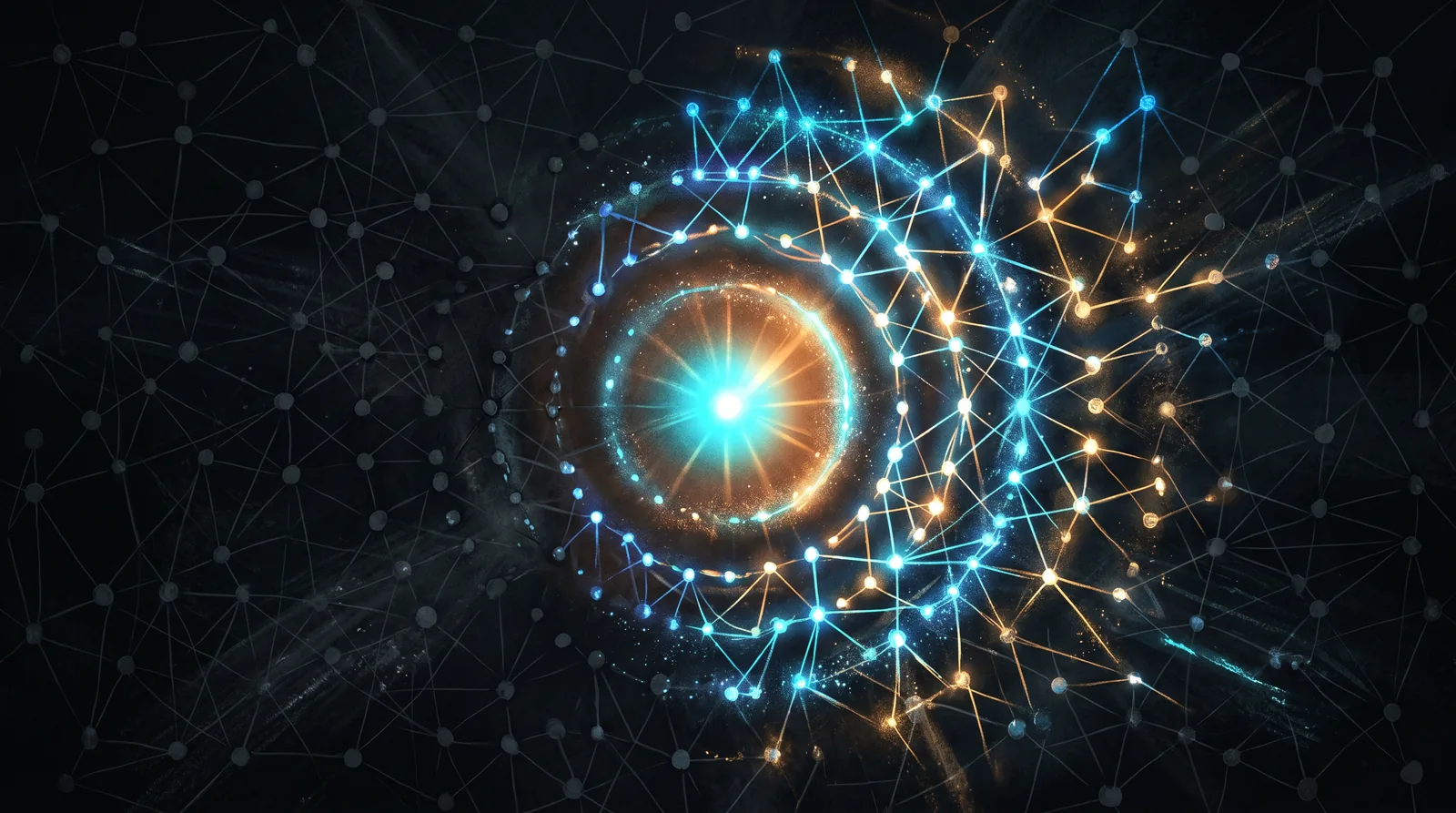
GaiaDex is a shared knowledge and matchmaking layer for the stewards and organizations of the regenerative movement — a rolodex that thinks, and a dashboard that proves it's working. Concretely:
- Claim your profile. Every person (a "Steward") and every organization or project gets a real, ownable presence — not a data point in someone else's ad-targeting system.
- Every org can run its own campaign. Any organization can launch its own fundraising campaign — with its own pitch, milestones, budget breakdown, and public page. The Regen World crowdfund described in §7 is the first campaign running on GaiaDex, not a special one-off.
- Post needs and offers. What does your organization need — funding, a specific skill, a connection, land, tools? What can you offer others? Every need and offer is categorized by the kind of value it represents: not just financial capital, but intellectual, social, material, living, cultural, experiential, and spiritual capital too.
- Get AI-matched. AI-powered matchmaking continuously scans the whole network's needs and offers for fits — and tells you about them.
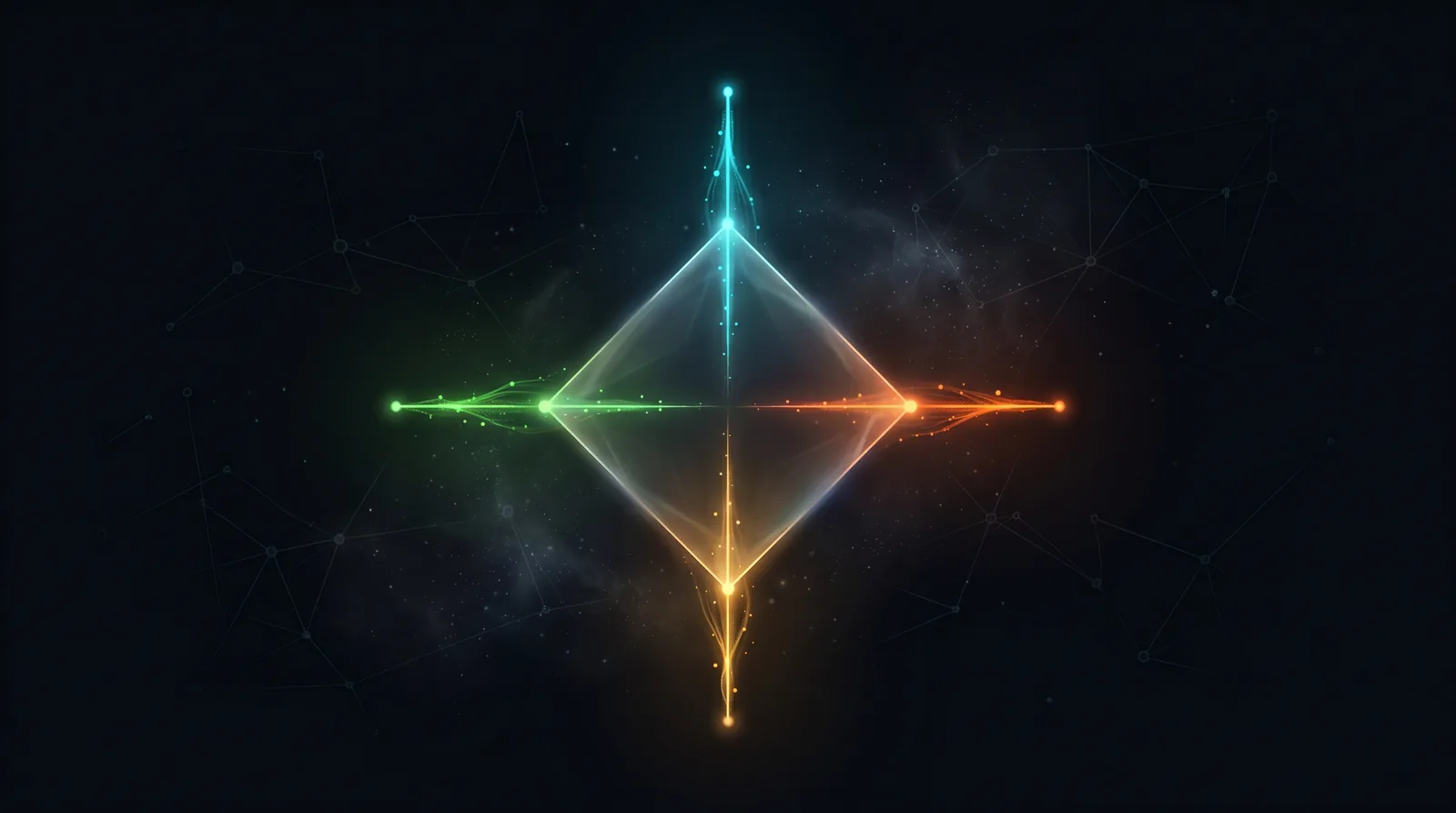
- Watch your Zone's vitality grow. Every Org, and the Regen World cohort as a whole (GaiaDex's first Symbiotic Zone), gets a live MIND score — Material, Intelligence, Network, and Diversity capital, the four-dimensional health measure from Mostaque's The Last Economy (2025), multiplied together rather than averaged, so real health means balance across all four, not maxing out one while starving the others.
- Keep a living graph. Every connection, need, offer, and match becomes part of a living, continuously updated knowledge map — queryable now, and still queryable a year from now.
4.How It Works
GaiaDex is built on infrastructure this team already runs in production. Three things make it work, in plain terms:
- A fast, modern web application — the same production-grade foundation already running the team's other platforms.
- A living knowledge base — a lightning-fast, graph-driven knowledge base with LLM-powered embeddings (an approach sometimes called GraphRAG), storing every Steward, Organization, Need, Offer, and Match as a queryable node and relationship. GaiaDex's knowledge layer is powered in part by MegaMem, the team's own personal- and community-knowledge infrastructure.
- An AI interface that meets you where you are. GaiaDex's matchmaking and knowledge tools are designed to become available directly inside the AI assistants people already use, once an organization connects its GaiaDex account.
A note on decentralization, stated plainly: GaiaDex's architecture is being built to eventually support fully user-owned, decentralized identity and distribution — the right long-term foundation for a movement built on sovereignty. Its data model and access design are laid out today so that migration is a real, planned next phase, not a rewrite. We'd rather under-promise here than sell you a timeline.
5.The Three-Layer Vision
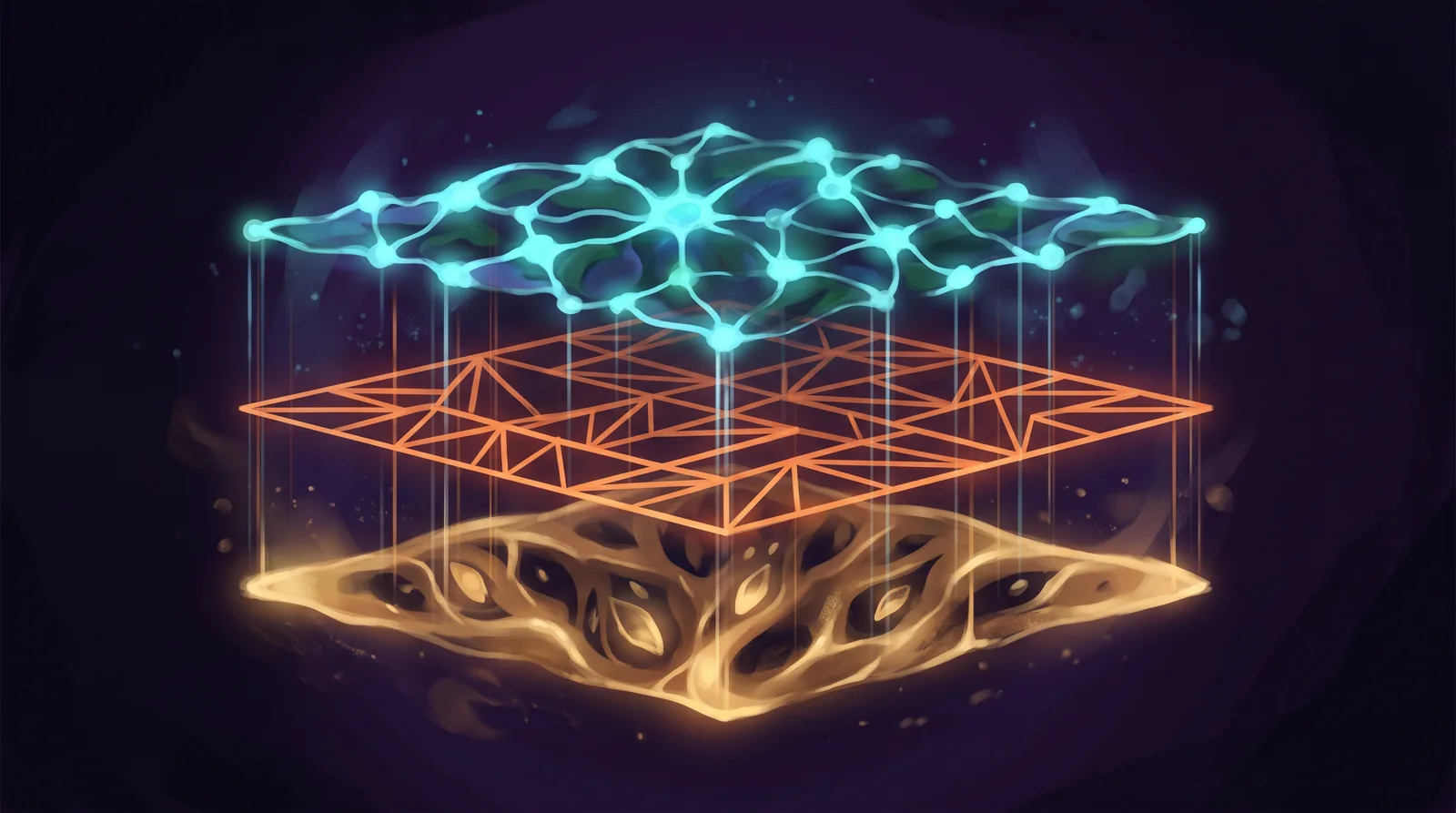
GaiaDex doesn't stand alone. It's the visible top layer of a three-part architecture this team has been building across several projects simultaneously:
- GaiaDex — the social, shared-knowledge, and vitality-measurement layer. Where stewards and organizations find each other and see their collective health.
- TrustGuild — the agreements and identity layer underneath. Every commitment GaiaDex facilitates is backed by a real, TrustGuild-drafted agreement.
- MegaMem — the deepest layer, a personal knowledge trust.
Each layer already exists in some form today. GaiaDex's build connects them.
6.The Build Plan
The MVP ships in about four weeks, using a team and foundation that has already shipped this exact kind of product in production before. Early work delivers organization claiming, the crowdfund payment rail, and a working AI chat experience. The following stage delivers the knowledge graph, AI matchmaking, campaign creation, a live MIND vitality dashboard for the Regen World zone, and the admin tooling organizers need. Full technical detail lives in the GaiaDex Statement of Work (v3).
7.The Ask
Every organization that commits gets, from day one:
- Full feature access — profile, needs/offers, AI matchmaking, and assistant integration as it comes online
- The ability to launch its own fundraising campaign on the same infrastructure powering the Regen World ask
- Founding membership in GaiaDex's first Symbiotic Zone, with a live MIND vitality score
- A voice in the roadmap, proportional to early commitment
- First right to publish their own AI agent into the network once that capability ships (see §8)
Commitments are formalized through a real contribution agreement (drafted via TrustGuild), not a casual pledge. And if the full 30 don't commit? The build scopes to the committed budget — the core loop and the MIND dashboard ship regardless. Nobody's contribution rides on everyone else showing up.
8.Roadmap Beyond the MVP
The MVP is intentionally narrow. What it's built to grow into:
- GaiaDex as an AI assistant tool — connect your GaiaDex account inside MegaMem, and matchmaking/knowledge tools become available directly inside your own AI assistant.
- TrustGuild-backed agreements — any multi-party agreement between organizations, funders, or GaiaDex itself, drafted and tracked natively.
- A staged governance layer — Mostaque's The Last Economy describes a "Guardian Lattice": AI continuously monitors a system's health, and a rotating human council makes the value judgments the AI can't. GaiaDex builds this in stages — first, AI-flagged imbalances reviewed by a rotating panel of org leaders; later, backed by real TrustGuild agreements and richer visualization tooling.
- MegaMem federation — push your own knowledge into the shared graph, or pull the community graph into your personal space, on your own terms.
- User-published agents — any organization or individual will be able to publish their own AI agent into the network, discoverable by others, with access scoped to exactly what they choose to expose. This is GaiaDex's implementation of Mostaque's "Universal Access to Intelligence" — a sovereign AI agent for every steward.
- A growing Nucleation Network — every future gathering, bioregion, or community becomes a new Symbiotic Zone on the same infrastructure, each with its own MIND vitality score, each able to learn from the ones that came before.
9.Why This Team
This isn't a first attempt at any of the hard parts. The team behind GaiaDex has, in the past two years, built: a Private Member Association and trust structure from first principles (SoilDAO), a production AI-assisted trust-and-agreement platform with a full admin system (TrustWise), a campaign and content pipeline for a public advocacy platform (FairBetAct), a governance-simulation engine exploring exactly this kind of capital taxonomy in practice (Polycentricity), and the personal knowledge infrastructure (MegaMem) that GaiaDex's deepest layer depends on. GaiaDex itself has already shipped once, at EarthOne, and worked. This build is the same team, running the same idea back — with the infrastructure, the runway, and now a proven framework for measuring success, to do it right.
10.Call to Action
If your camp is coming to Regen World: claim your profile, register your organization, commit your $1,000, and help build the shared memory — and the shared, measurable vitality — the whole gathering deserves. If you're not attending but want in — reach out. The network works better with more zones in it.